
Dudhwa National Park – Uttar Pradesh’s Tiger Reserve & Jeep Safari Booking
Discover the wild heart of Dudhwa National Park, part of India’s Project Tiger landscape. Explore tigers, rhinos and Tharu homeland across the Terai grasslands. Get verified Jeep Safari permits, timing details and eco-stay options for the 2025 season — sourced from official U.P. Forest Department data.
10+
Years of Service
5K+
Safaris Organised
4.8★
Guest Satisfaction
About Dudhwa National Park – History, Geography & Wildlife Diversity
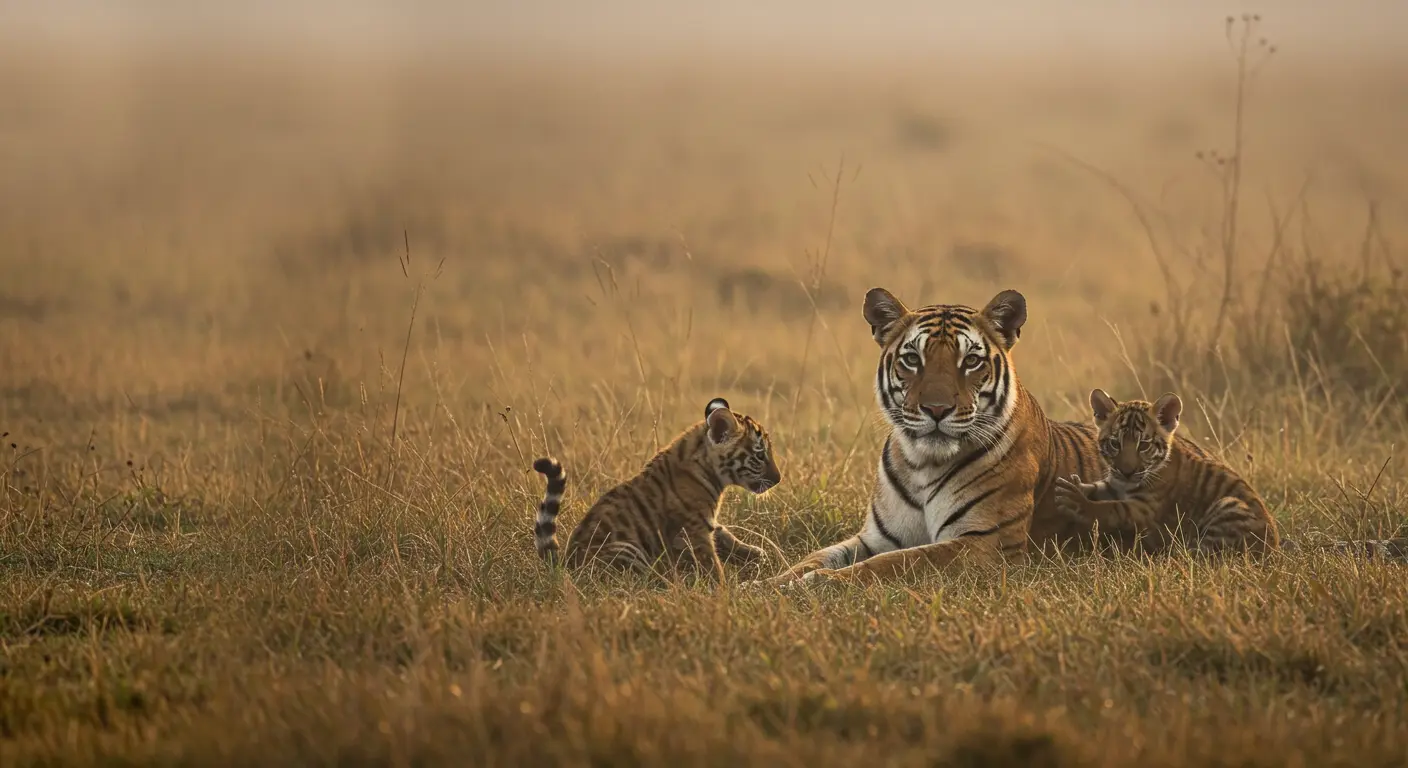
Situated in the Terai region of Uttar Pradesh, near the Indo-Nepal border, Dudhwa National Park represents one of India’s last intact sal forest ecosystems. Declared a National Park in 1977 and later incorporated into Project Tiger (1987–88), Dudhwa today forms the core of the Dudhwa Tiger Reserve, administered by the Uttar Pradesh Forest Department.
The park protects more than 1,284 km² of grasslands, wetlands, and dense sal forests across Dudhwa, Kishanpur and Katarniaghat wildlife ranges. It is the only landscape in northern India where Royal Bengal Tigers, Indian One-Horned Rhinos, and Barasingha (Swamp Deer) coexist in the same habitat — an ecological balance unique to the Terai belt.
Core Area
Covers 490 km² of prime sal forest, wetland, and grassland habitat.
The extended Dudhwa Tiger Reserve spans 1,284 km², linking Kishanpur and Katarniaghat Wildlife Sanctuaries — among the richest tiger habitats in North India.
Established
Declared National Park (1977), upgraded under Project Tiger (1987–88).
Recognized as a CA|TS-accredited Tiger Reserve, reflecting global standards of responsible conservation and eco-tourism.
Wildlife Richness
Home to 47 mammal species, 450 + bird species, 37 reptiles, 19 amphibians, and 79 fish species — including Bengal Tiger, Indian Rhino, Barasingha, Gharial, and Great Hornbill.
Qucik info For You
Location: Lakhimpur Kheri District, Uttar Pradesh — near the Indo-Nepal border.
Specialty: Only park in Uttar Pradesh where Tigers and Rhinos coexist naturally.
Ecosystem: Sal forests, wetlands & Terai grasslands — among India’s richest wildlife zones.
Best Time to Visit: November – June → prime for tiger sightings & jeep safaris.
Wildlife & Conservation in the Terai Region
Dudhwa National Park is not merely a forest — it is a living museum of India’s Terai ecosystem, where dense sal forests, wetlands, and grasslands preserve one of South Asia’s rarest wildlife communities.
Forming the core of the Dudhwa Tiger Reserve, together with Kishanpur and Katarniaghat Wildlife Sanctuaries, Dudhwa represents one of North India’s last continuous conservation landscapes, managed by the Uttar Pradesh Forest Department under Project Tiger.
Home to the Royal Bengal Tiger, Dudhwa is also the only protected area in Uttar Pradesh where the Indian One-Horned Rhinoceros has been successfully reintroduced (1984–85) under the Rhino Rehabilitation Programme.
As of the 2023 wildlife census, the rhino population stands at 46 individuals, with further expansions approved for 2025.
Equally significant is Dudhwa’s role in reviving the swamp deer (barasingha) — once on the brink of extinction — now thriving across its wetland meadows. With over 450 bird species, including the Bengal Florican, Hispid Hare, Fishing Cat, Gharial, and Indian Hornbill, Dudhwa has been recognized by BirdLife International as an Important Bird Area (IBA).
From thrilling jeep safaris and guided elephant rides to peaceful bird-watching trails, Dudhwa offers an eco-tourism experience that blends wildlife conservation, community participation, and education for sustainable tourism across the Terai belt.
Key Features of Dudhwa’s Conservation Landscape
- Tiger Reserve (Since 1987) — protected under Project Tiger; globally accredited with CA|TS standards for responsible conservation.
- Rhino Reintroduction (1984–85) — Indian one-horned rhinos brought from Assam & Nepal; population now 46 (2023).
- Wetland Ecosystem — vital floodplains supporting migratory birds & endangered reptiles such as the Gharial.
- Barasingha Revival — world’s largest and most secure swamp-deer population.
- Birding Hotspot — 450 + recorded bird species including the endangered Bengal Florican.
- Eco-Tourism & Community Programs — forest rest houses, guided jeep safaris & birding trails operated with U.P. Forest Dept support.
Tour Packages & Wildlife Safaris in Dudhwa National Park
Step into the wild heart of Uttar Pradesh with our expertly curated Dudhwa National Park tour packages, designed in collaboration with the Uttar Pradesh Forest Department.
From thrilling jeep safaris in the core forests of Sonaripur, Kishanpur, and Katarniaghat to peaceful stays in eco-lodges surrounded by sal forests, wetlands, and riverine grasslands, every journey through Dudhwa combines adventure, nature, and authentic conservation travel.
Witness the magic of India’s Terai landscape — where Royal Bengal Tigers share the same home as Indian Rhinos, Barasingha (Swamp Deer), Elephants, and Gharials. With 450+ bird species and pristine forest zones, Dudhwa remains one of India’s most authentic and responsible eco-tourism destinations.
Discover the Wild Side of Dudhwa
Feel the untamed rhythm of the Terai forest — where dawn breaks to the call of hornbills and dusk echoes with the roar of tigers.
Our guided jeep safaris take you across Sonaripur, Kishanpur, and Katarniaghat ranges, covering lush sal forests, wetlands, and open grasslands alive with wildlife.
Spot Bengal Tigers moving through misty woods, one-horned Rhinos grazing near marshes, and Barasingha herds at sunset along the Suheli River.
Each safari is led by trained forest guides authorized by the U.P. Forest Department, ensuring your visit supports local conservation and eco-tourism.
Dudhwa National Park offers India’s most intimate wildlife experience — raw, real, and unforgettable.
Book your Dudhwa Jeep Safari today and experience tigers, rhinos, and the spirit of the Terai in one unforgettable journey.
Popular Dudhwa Safari Packages
Dudhwa Weekend Safari
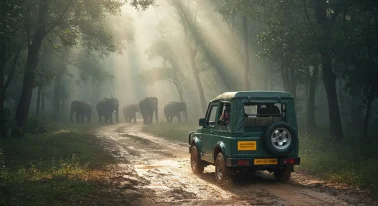
Duration: 01 Night / 02 Days | 01 Jeep Safari
A perfect short wildlife escape. Explore the Sonaripur Range, known for its dense tiger territory, barasingha meadows, and wetland birds.
Stay at forest eco-lodges operated under Forest Department supervision. Ideal for quick nature getaways and first-time visitors.
Dudhwa Holiday Tour
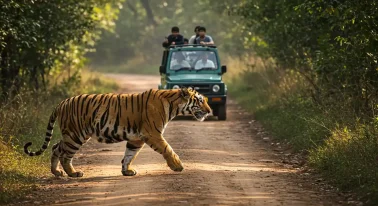
Duration: 02 Night / 03 Days | 02 Jeep Safari
Crafted for families and small groups. Covers Sonaripur and Kishanpur Wildlife Sanctuary — offering glimpses of tigers, rhinos, swamp deer, and hispid hares.
Includes guided birding walks, forest rest house accommodation, and eco-tourism activities.
Dudhwa Adventure Safari
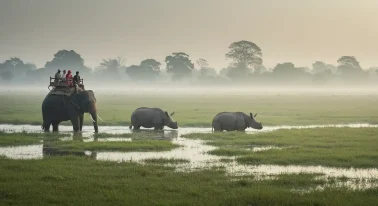
Duration: 03 Night / 04 Days | 04 Jeep Safari
The ultimate Dudhwa experience. Safari across Sonaripur, Kishanpur, and Katarniaghat, spotting tigers, rhinos, gharial, and rare migratory birds.
Accommodation in Forest Rest Houses and eco-lodges. Perfect for wildlife enthusiasts, researchers, and photographers.
Jeep Safari Experiences – Morning & Evening Drives
Step into the wild heart of Dudhwa National Park with official Jeep Safaris conducted under the supervision of the Uttar Pradesh Forest Department. These guided drives through the park’s core zones are the best way to explore its rich biodiversity while ensuring responsible wildlife protection under Project Tiger.
Choose between morning and evening safaris, each offering a distinct jungle encounter — from tiger and rhino sightings to bird watching, wetland views, and breathtaking sunset photography.
Every safari is accompanied by trained naturalists to help you experience Dudhwa’s wilderness safely, sustainably, and memorably.
Morning Safari
- 3 Hours | 6:00 AM - 9:00 AM
The best time for tiger and rhino sightings, as animals are most active in the cool hours. Morning drives also offer excellent opportunities for bird watching and photography, with misty landscapes adding to the charm.
- Likely tiger & rhino sightings
- Best bird watching hours (450+ species)
- Cool & fresh weather
- Guided by professional naturalists
Important Guidelines (As per U.P. Forest Department)
- Advance online booking is mandatory (limited seats per zone).
- Carry a valid Government ID proof for entry.
- Follow silence & no-littering rules (plastic banned inside).
- Stick to official safari routes – off-roading prohibited.
- Camera charges apply as per Forest Dept. rules.
- Always follow the instructions of your naturalist & forest guard.
Evening Safari
- 3 Hours | 3:00 PM - 6:00 PM
Experience the golden glow of Dudhwa at sunset. Animals gather around water bodies, making evening safaris perfect for wildlife observation and photography. The soft evening light creates dramatic scenes for photographers.
- Golden-hour photography
- High animal activity near water
- Sunset jungle views
- Expert-guided safari
Why Choose the Dudhwa Jeep Safari Experience?
Because it’s not just a safari — it’s an encounter with one of India’s purest Terai ecosystems, guided by experts certified by the U.P. Forest Department. Every drive contributes directly to the park’s eco-tourism and wildlife research programs, ensuring your visit supports conservation.
Dudhwa Safari Charges, Permits & Visitor Rules (2025 Season)
All safaris inside Dudhwa National Park are officially operated and regulated by the Uttar Pradesh Forest Department under Project Tiger.
Online safari permit booking is mandatory, and seat allocation is limited for each zone.
Below are the verified safari charges, vehicle types, and booking rules for the 2025 season — Booking confirmations are issued only through registered portals and updated by our Dudhwa partner network.
Jeep Safari (Indians): ₹6,500 per jeep (6 persons + 1 guide, all-inclusive)
Jeep Safari (Foreigners): ₹28,300 per jeep (max 4 persons)
Elephant Safari (Indians): ₹6,000 per elephant (max 4 persons)
Elephant Safari (Foreigners): ₹59,000 per elephant (max 4 persons)
Rhino Safari: Available with special permit only (Kishanpur & grassland zones)
Camera Fees: ₹50–₹500 depending on lens size (as per Forest Dept. rules)
Note: All charges include Forest entry fees, vehicle rent, guide charges, and GST as applicable. Rates are subject to change by the U.P. Forest Department.
Permit Rules & Conditions
Online booking mandatory: permits are limited and issued per zone.
Government ID required for all participants.
Zones are auto-assigned (Dudhwa, Sonaripur, Kishanpur, Sathiyana).
Permits non-refundable & non-transferable.
Only authorized naturalist guides allowed.
No entry post sunset.
Plastic, alcohol, and off-roading strictly prohibited.
Visitor Rules (Do’s & Don’ts)
Carry valid photo ID and printed permit.
Remain inside official jeep safari routes.
Follow your forest guide’s instructions.
No feeding animals / loud noise / smoking.
No littering or plastic use inside the park.
Always respect wildlife and local Tharu communities.
These regulations are issued by the Uttar Pradesh Forest Department to ensure visitor safety and ecological balance.
Tip: To avoid last-minute permit unavailability, book your safari 7–30 days in advance through our Online Booking Portal — Reliable, transparent and client approved service.
Why Book with Us – Your Trusted Dudhwa Safari Partner
Planning a trip to Dudhwa National Park?
At DudhwaNationalPark.net, we provide an official-style, verified booking platform for both Jeep & Elephant Safaris and Forest Rest House accommodation — all in one place.
We operate under the same Uttar Pradesh Forest Department guidelines that govern Dudhwa Tiger Reserve’s eco-tourism policy. That means no confusion, no middlemen — just safe, transparent, and government-aligned booking support.
What Makes Us Different
All-in-One Packages: Safari permits + forest stay options managed together for your convenience.
Authorized & Verified: All itineraries align with Forest Department regulations for visitor safety.
Transparent Pricing: Clear cost breakdowns — no hidden booking fees or commissions.
Secure Online Booking: Fast digital confirmations with encrypted payment options.
Experienced Naturalist Guides: Every safari is led by certified local experts.
Wide Stay Choices: From Forest Rest Houses (FRH) to eco-resorts & homestays near Dudhwa.
Local Impact: Each booking supports local communities & conservation projects around the reserve.
Secure online payments • Transparent pricing • Local community support
Book your Jeep or Elephant Safari, secure your stay inside the park, and experience the wild side of Uttar Pradesh responsibly
Things to Do in Dudhwa National Park – Safaris, Adventures & Nature Trails
Nestled in the Terai belt of Uttar Pradesh, Dudhwa National Park is not just about tigers—it’s a living wilderness where every trail tells a story.
Recognized as part of India’s Project Tiger and managed by the Uttar Pradesh Forest Department, the park offers one of the country’s most immersive wildlife experiences — combining tiger safaris, rhino tracking, birdwatching, and eco-tourism adventures.
Located near the Indo–Nepal border, Dudhwa’s ecosystem blends sal forests, wetlands, and open grasslands, supporting more than 450 species of birds, 47 mammals, and several rare reptiles and amphibians. Each activity here follows responsible tourism principles guided by official forest regulations.
Whether you’re a wildlife lover, photographer, or first-time explorer, Dudhwa promises both thrill and tranquility — with trails that meander through dense forests, riverine corridors, and vibrant Tharu villages.
Top Activities & Safaris in Dudhwa
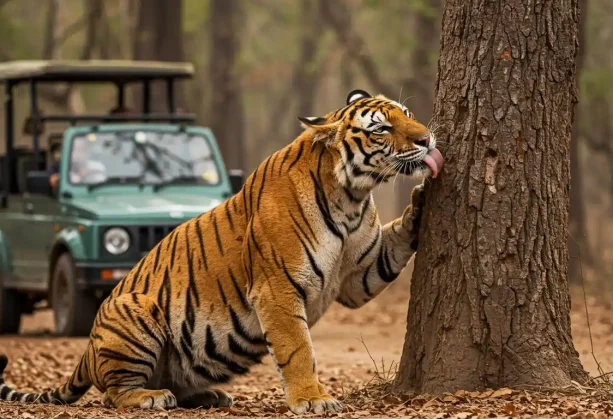
Jeep Safari in Core Zones
Embark on a thrilling Jeep Safari through Dudhwa’s core areas — the natural home of Royal Bengal Tigers, Barasingha (swamp deer), and Asian Elephants.
Guided by certified naturalists, these drives in the Sonaripur and Sathiana ranges offer unmatched opportunities for tiger tracking and wildlife photography.
Morning safaris reveal misty forests alive with birds, while evening drives capture golden-hour sightings.
Best For: Tiger lovers, photographers, and families.
Operated by: Uttar Pradesh Forest Department-approved guides.
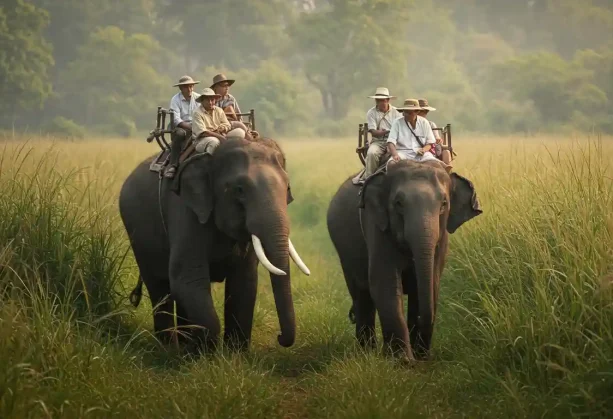
Elephant Safari
Ride through the mist-covered grasslands on trained elephants, led by experienced forest mahouts.
This eco-friendly safari offers a unique vantage point to observe rhinos, deer, and migratory birds while maintaining minimum disturbance to the ecosystem.
A favorite among families and international visitors seeking close encounters with Dudhwa’s wildlife.
Best For: Families, birders, international tourists.
Highlights: Silent movement, close animal viewing, forest photography.
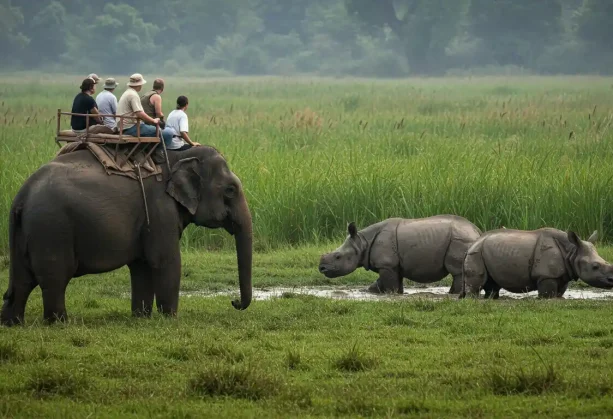
Rhino Safari
Witness the rare Indian One-Horned Rhinoceros, successfully reintroduced under India’s Project Rhino initiative.
The Kishanpur and Sonaripur zones are prime areas for spotting rhinos, elephants, and waterbirds around grasslands and river marshes.
This safari connects conservation success with real-world wildlife tourism — a hallmark of Dudhwa’s eco-restoration efforts.
Best For: Conservation enthusiasts, wildlife researchers, families.
Highlights: Rhino sightings, eco-conservation learning, guided experiences.
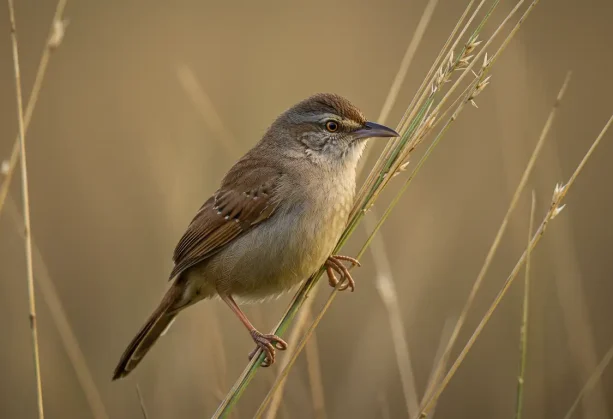
Bird Watching Tours
With over 450 recorded bird species, Dudhwa is a birdwatcher’s paradise.
Look out for the Bengal Florican, bar-headed geese, great slaty woodpecker, and migratory ducks from Siberia and Central Asia.
Early mornings at soak ponds and riverbanks offer mesmerizing photography opportunities.
Best For: Bird photographers, solo explorers.
Tip: Carry binoculars — Dudhwa is part of the Important Bird Area (IBA) recognized by BirdLife International.
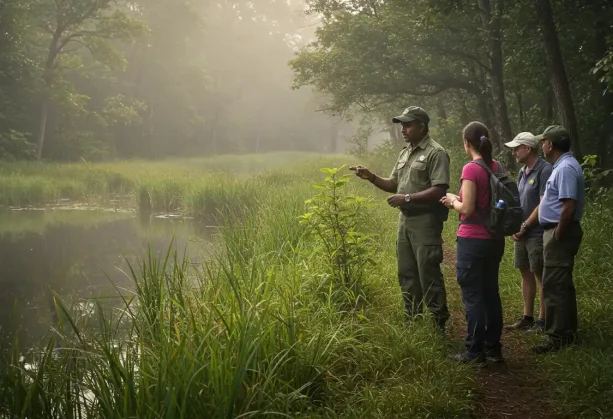
Nature Walks & Eco-Trails
Join guided walks led by local Tharu naturalists through Dudhwa’s eco-trails.
Discover the rich flora, fauna, and cultural heritage of the Terai landscape while directly supporting local community livelihoods.
These trails are the best way to connect with nature and understand Dudhwa’s delicate ecological balance.
Best For: Students, ecologists, culture enthusiasts.
Highlights: Tharu village trails, riverine walks, educational tours.
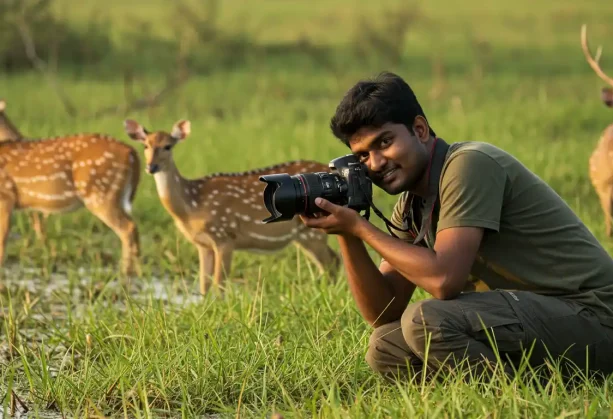
Photography Expeditions
From fog-draped mornings to golden-hour sunsets, Dudhwa offers National Geographic-style frames for photographers.
Capture tigers on the move, elephants crossing the grasslands, and colorful birdlife against a backdrop of glowing sal forests.
These guided tours blend wildlife patience with professional photographic guidance.
Best For: Wildlife photographers, vloggers, filmmakers.
Tip: Best light between 6:30–8:30 AM and 4:30–6:00 PM.
Plan Your Visit – How to Reach, Best Time & Permits
Planning your first trip to Dudhwa National Park?
Here’s everything you need to know before you pack your bags — from how to reach Dudhwa to the best months for safari and official permit rules, verified by the Uttar Pradesh Forest Department.
How to Reach Dudhwa
Located in Lakhimpur Kheri district of Uttar Pradesh, Dudhwa lies close to the Indo–Nepal border and is easily accessible by road, rail, and air.
Nearest Airport: Lucknow (238 km) — about 5–6 hours via Palia Kalan.
Nearest Railway Station: Dudhwa / Palia (10–15 km) — frequent trains from Lucknow and Bareilly.
By Road: Excellent routes connect Delhi, Lucknow, Bareilly, Pilibhit, and Nainital.
Travel Tip: For the smoothest drive, take the Sitapur–Lakhimpur–Palia route, ideal for tourists.
Best Time to Visit & Safari Timings
Dudhwa National Park remains open from November to June every year.
Winter (Dec–March): Perfect weather for jeep safaris, birdwatching, and wildlife photography.
Summer (April–June): Ideal for tiger and rhino sightings near riverbanks and waterholes.
Safari Timings:
Morning: 6:00 AM – 9:00 AM
Evening: 3:00 PM – 6:00 PM
Tip: Advance booking is strongly advised for weekends and holidays as permits fill up fast.
Entry Permits & Booking Guidelines
All safaris in Dudhwa are regulated under the Uttar Pradesh Forest Department.
Visitors must hold a pre-booked entry permit before entering any safari zone.
✅ Online Booking is Mandatory (limited seats per zone)
🪪 Government ID Proof required for every visitor
🚙 Separate permits for Jeep Safari, Elephant Safari, and Rhino Safari
📸 Camera Fees: ₹50–₹500 depending on lens size (as per Forest Dept. rules)
🌿 Only authorized naturalist guides are allowed inside the park
You can easily book permits and forest rest house stays through us.
Map & Route of Dudhwa National Park
Planning your first visit to Dudhwa? This detailed Dudhwa National Park map helps you locate safari zones, forest rest houses (FRHs), and nearby wildlife sanctuaries like Kishanpur and Katarniaghat.
Located in Lakhimpur Kheri district, this park forms part of the Terai Tiger Landscape managed by the Uttar Pradesh Forest Department.
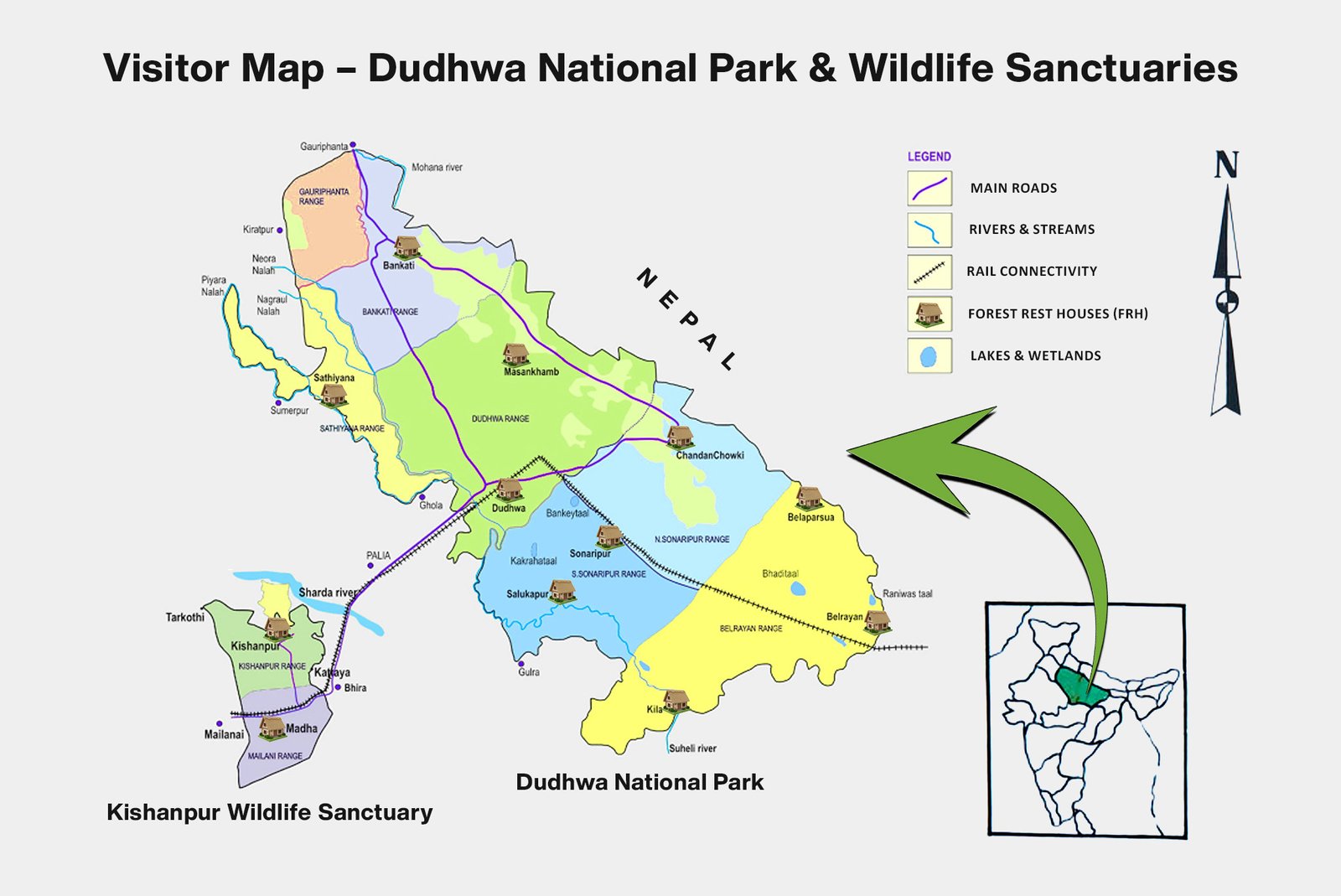
The park is part of the Dudhwa Tiger Reserve, spread across the Terai landscape of Lakhimpur Kheri, Uttar Pradesh, and includes:
Dudhwa National Park (Core Area) — the main safari zone and tiger habitat.
Kishanpur Wildlife Sanctuary (204 sq. km) — home to leopards, swamp deer, and bird species.
Katarniaghat Wildlife Sanctuary (400 sq. km) — rich in gharials, dolphins, and wetlands.
Visitors can easily locate safari gates and access points such as:
Sonaripur, Sathiana, and Belarayan, along with key roads, rivers, and railway routes marked on the map.
Forest Rest Houses (FRHs) are located inside and around these zones, providing eco-friendly accommodations managed by the Uttar Pradesh Forest Department.
Tip: If you’re traveling from Lucknow or Delhi, the route through Palia Kalan and Bhira is the most convenient for reaching Dudhwa’s entry gate.
What You’ll Experience on a Dudhwa Safari — Tigers, Rhinos & 450+ Bird Species in Their Natural Habitat
Every safari in the Dudhwa Tiger Reserve is a rare opportunity to witness India’s wild heart up close.
From the tiger-rich forests of Sonaripur to the rhino grasslands of Kishanpur and the wetlands of Katarniaghat, each zone reveals a unique story of nature and coexistence.
Here, sightings range from Royal Bengal Tigers, Indian One-Horned Rhinos, and Barasingha (swamp deer) to Gharials, Elephants, and over 450 species of birds — including the rare Bengal Florican and great slaty woodpecker.
Recognized as an Important Bird Area (IBA) by BirdLife International, Dudhwa’s sal forests, rivers, and meadows offer the perfect mix of biodiversity, photography, and authentic wilderness — making it one of India’s most rewarding wildlife destinations.
Royal Bengal Tiger Sightings
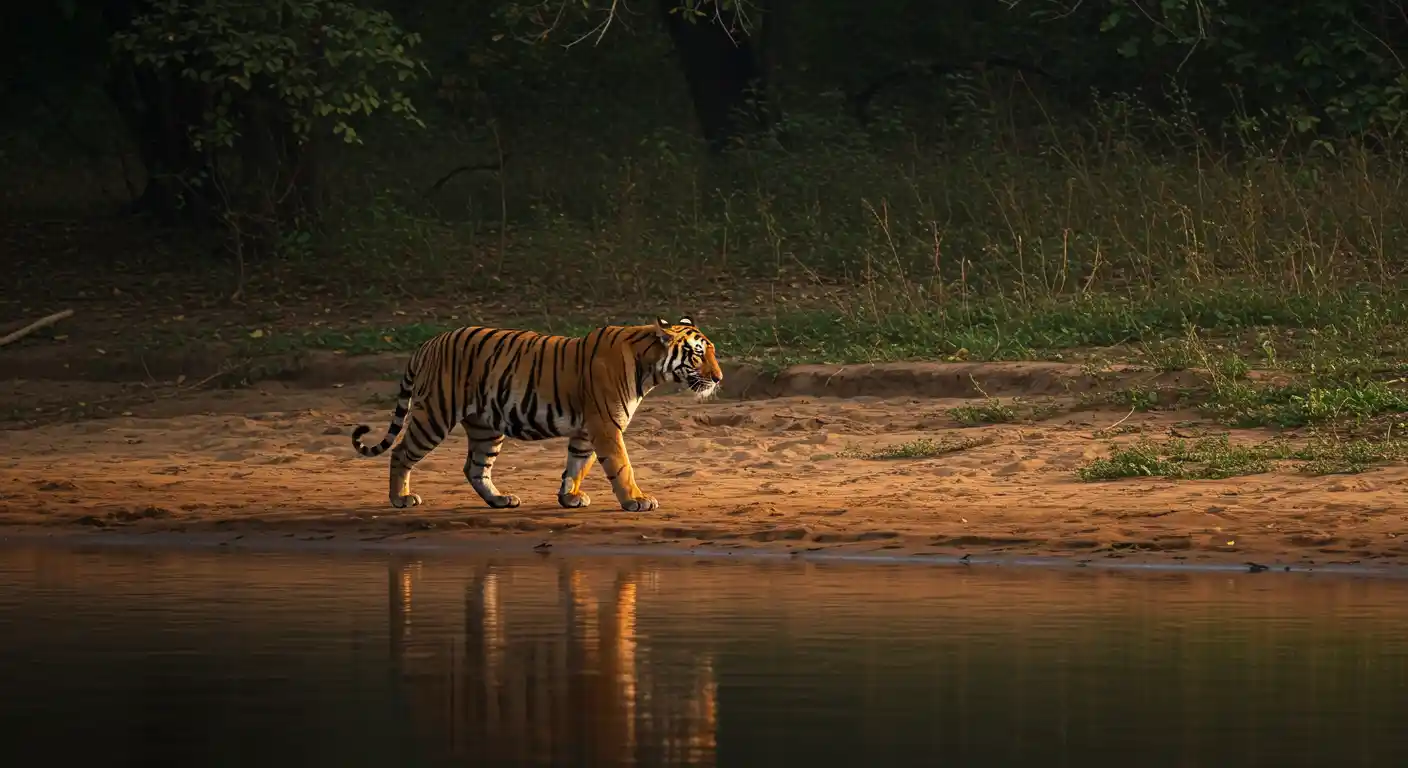
Dudhwa is a true tiger stronghold under Project Tiger, where dense sal forests and open grasslands create ideal conditions for tiger sightings.
Safaris in the Sonaripur range offer the highest chances to spot this majestic predator in its natural territory —
a moment that defines every visitor’s Dudhwa experience.
Indian Rhino Encounters
Dudhwa is the only place in Uttar Pradesh where visitors can encounter the Indian one-horned rhinoceros.
These gentle giants were reintroduced here through a successful WWF and Government of India program in the 1980s,
and today, the population thrives under strict protection and habitat restoration efforts.
Bird Watching Paradise
With 450+ bird species, including the Bengal Florican, bar-headed goose, and great slaty woodpecker,
Dudhwa is a haven for bird lovers and photographers.
Recognized as an Important Bird Area (IBA) by BirdLife International,
the park’s wetlands and grasslands attract both resident and migratory birds,
offering year-round birding opportunities unmatched in North India.
Wildlife Sanctuaries Near Dudhwa — Explore Kishanpur, Katarniaghat & Pilibhit Tiger Reserve
The Dudhwa Tiger Reserve isn’t a standalone park — it forms part of the Terai Arc Landscape of Uttar Pradesh,
a vast conservation belt connecting Kishanpur, Katarniaghat, and Pilibhit Tiger Reserve.
Together, these protected forests create North India’s richest wildlife corridor, where
tigers, rhinos, gharials, barasingha, and over 500 bird species thrive in balance with local communities.
Each sanctuary offers a unique habitat — from riverine wetlands and sal forests to grasslands and swamp zones —
making Dudhwa a paradise for eco-tourists, photographers, and conservation travellers alike.
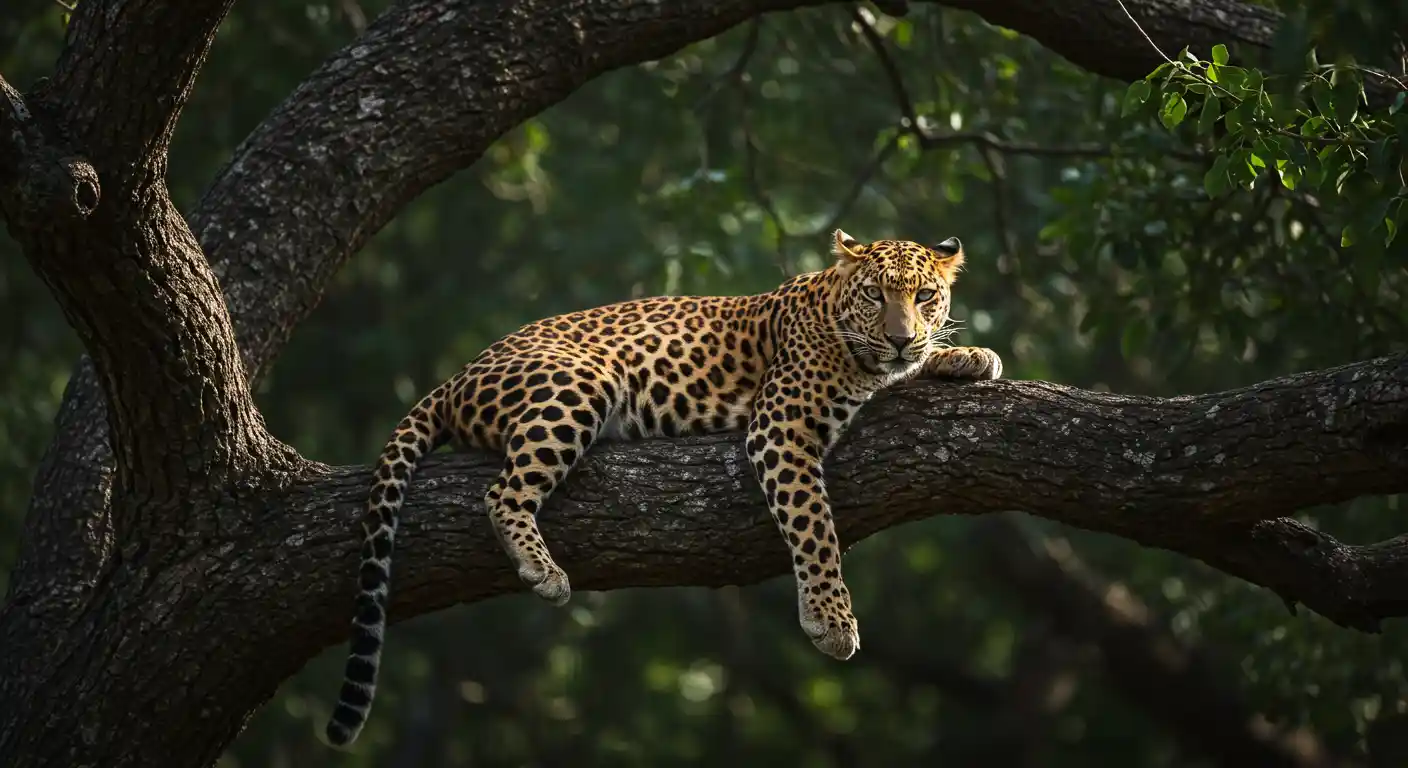
Kishanpur Wildlife Sanctuary
30 km from Dudhwa National Park, Kishanpur Sanctuary is renowned for the
Indian rhinoceros reintroduction program launched under WWF–India and UP Forest Department.
Home to tigers, leopards, barasingha, and over 400 bird species,
its mosaic of sal forests and open grasslands forms a vital ecological bridge between Dudhwa and Pilibhit.
Ideal for rhino sightings, bird photography, and tiger tracking during morning safaris.
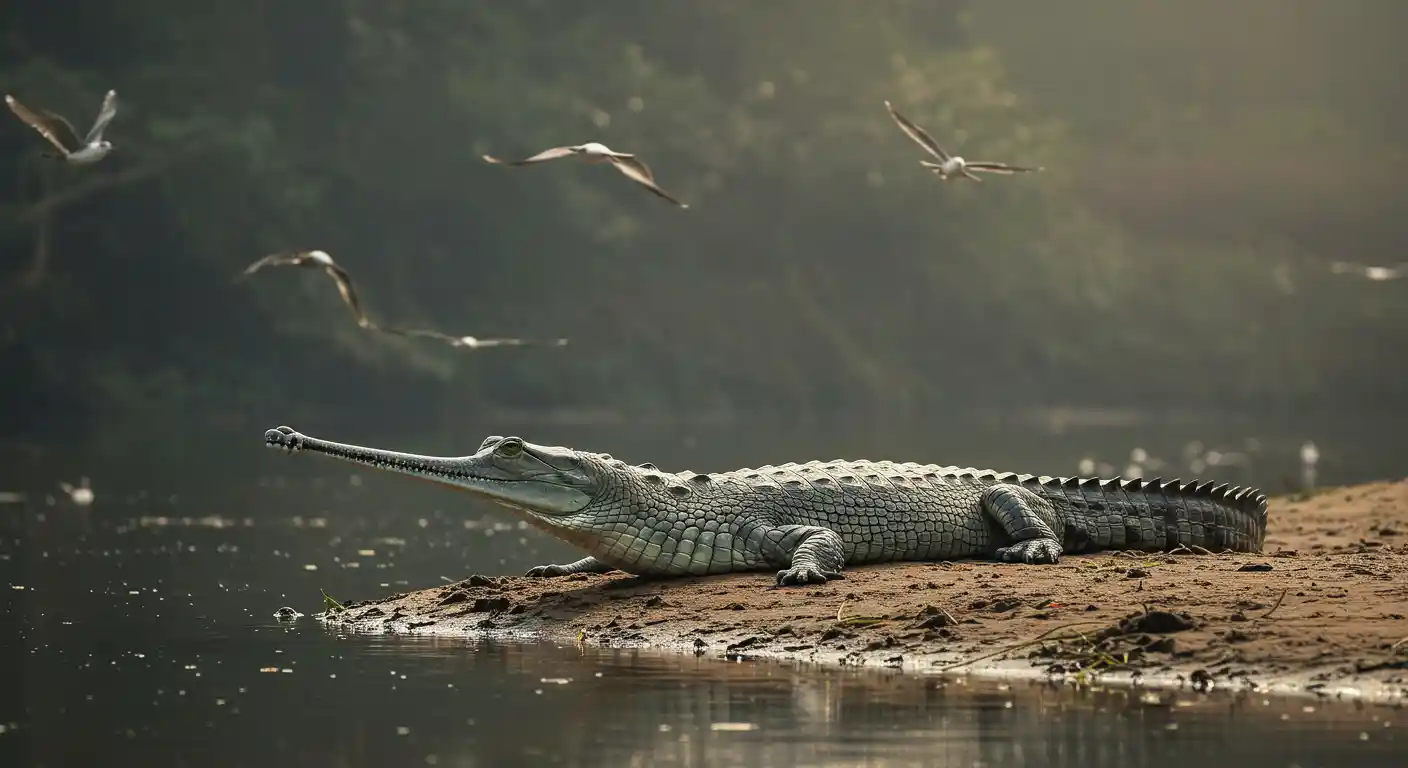
Katarniaghat Wildlife Sanctuary
Stretching along the Geruwa River, Katarniaghat is known for its riverine forests, gharials, and Gangetic dolphins.
Declared a Ramsar Site, this sanctuary supports rare aquatic and avian biodiversity.
Visitors may spot mugger crocodiles, swamp deer, and white-backed vultures during boat or jeep safaris.
It adds immense ecological value to the Dudhwa landscape and is one of India’s most scenic wetland sanctuaries.
Pilibhit Tiger Reserve
Bordering Dudhwa on the southeast, Pilibhit Tiger Reserve safeguards the upper Sharda River basin
with lush grasslands, teak forests, and vibrant wetlands.
With rising tiger density, Pilibhit now complements Dudhwa as a Project Tiger success story.
Visitors can enjoy birdwatching, tiger tracking, and forest drives while exploring this contiguous Terai corridor.
Tharu Community & Culture near Dudhwa
The Tharu community, native to the fertile Terai region of Uttar Pradesh and Nepal, has lived around Dudhwa National Park for centuries.
Their eco-friendly lifestyle, traditional architecture, and deep connection with forests make them a cornerstone of Dudhwa’s cultural and ecological identity.
A visit to the Tharu villages near Dudhwa lets you experience folk art, music, bamboo handicrafts, organic farming, and local cuisines — showing how humans and wildlife coexist in balance.
Recognized under the Uttar Pradesh Forest and Eco-Tourism guidelines, the Tharu community’s involvement supports responsible rural tourism around Dudhwa.
Highlights of Tharu Culture
Traditional Architecture – Beautiful mud houses decorated with folk wall art, natural colors, and clay motifs reflecting wildlife themes.
Handicrafts – Locally crafted bamboo baskets, pottery, mats, and handwoven textiles — perfect souvenirs supporting rural artisans.
Folk Dance & Music – Energetic Maghauta and Jhumra dances, performed during harvest and festive seasons with traditional drums and cymbals.
Local Cuisine – Simple, nutritious food made from millets, rice, lentils, and forest-grown vegetables, cooked over wood-fired stoves.
Eco-Friendly Lifestyle – The Tharu people practice sustainable farming and fishing, respecting forest laws and wildlife boundaries — an inspiring model for modern conservation.
The Tharu livelihoods remain deeply connected with forest produce, sustainable farming, and bamboo craftsmanship — forming the backbone of Dudhwa’s eco-tourism heritage.
Including a Tharu village visit in your Dudhwa itinerary offers more than sightseeing — it’s a chance to connect with authentic rural life, interact with locals, and learn how culture and conservation thrive together.
Plan a combined Dudhwa Safari + Tharu Cultural Tour for a complete wildlife and heritage experience.
Billy Arjan Singh – The Man Who Made Dudhwa a Tiger Reserve
The story of Dudhwa National Park is inseparable from Billy Arjan Singh (1917–2010) — India’s legendary wildlife conservationist who dedicated his life to protecting the endangered animals of the Terai region.
Recognized officially by the Uttar Pradesh Forest Department and the Government of India’s Project Tiger Division, Billy Arjan Singh’s efforts remain the foundation of Dudhwa’s tiger conservation legacy.
A Padma Bhushan and WWF Gold Medal awardee, Billy transformed Dudhwa into a Tiger Reserve under Project Tiger (1987) and led the reintroduction of one-horned rhinos in 1984 — milestones that reshaped India’s conservation history.
Early Life & Vision
Born on 15 August 1917 in Gorakhpur, Billy Arjan Singh grew up near the forests that would later become Dudhwa.
Inspired by the fading wildlife he saw as a young hunter, he turned into India’s first modern wildlife protector.
By the 1960s, Billy began campaigning for forest protection, urging the Government of India to recognize the Dudhwa forests as critical tiger habitat — a vision realized when Dudhwa was declared a National Park in 1977 and later upgraded to a Tiger Reserve in 1987.
Born on 15 August 1917 in Gorakhpur, Billy Arjan Singh dedicated his entire life to the protection of wildlife in the Terai belt. He is remembered as the man who brought global attention to Dudhwa and turned it into one of India’s most important conservation landscapes.
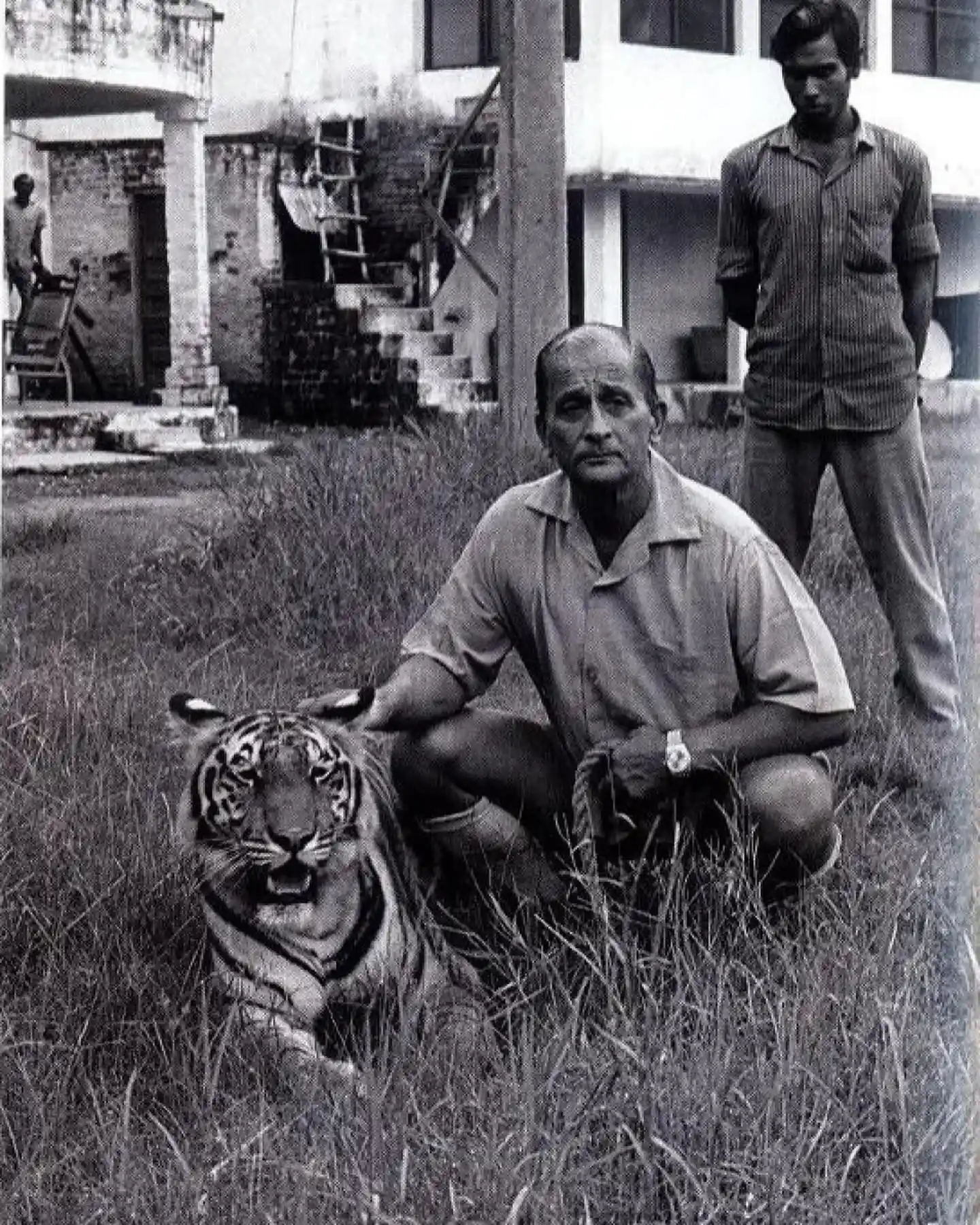
His conservation initiatives transformed Dudhwa into a global case study for successful coexistence of Royal Bengal Tigers, Indian Rhinos, and Swamp Deer, attracting ecologists and wildlife biologists from India and abroad.
His Conservation Legacy
Swamp Deer (Barasingha) Revival – Saved from near extinction in the 1970s; today, Dudhwa hosts the largest surviving population of this species worldwide.
Project Tiger Leadership – One of the earliest Indian conservationists to advocate for tiger protection through scientific monitoring and local engagement.
Rhino Reintroduction (1984) – Instrumental in bringing back the Indian one-horned rhinoceros to Dudhwa after 150 years, supported by WWF and the UP Forest Department.
Habitat Restoration – Led anti-poaching patrols, rewilding efforts, and created safe corridors for elephants and big cats within the Terai Arc Landscape.
His Conservation Recognition & Awards
WWF Gold Medal (1976) – First Indian recipient for wildlife conservation.
Padma Shri (1995) – Honored for national contribution to nature protection.
Padma Bhushan (2006) – For lifetime dedication to India’s wildlife.
Billy also authored Tiger Haven and Return of the Tiger, documenting his hands-on conservation work in Dudhwa.
His Everlasting Impact
Every tiger roar, rhino sighting, and swamp deer herd in Dudhwa today is a living tribute to Billy’s vision.
Without his pioneering work, Dudhwa might never have become the thriving tiger reserve and biodiversity hotspot it is now recognized as — both in India and worldwide.
Today, the Billy Arjan Singh Memorial and Interpretation Centre at Dudhwa continues to inspire visitors about India’s conservation movement
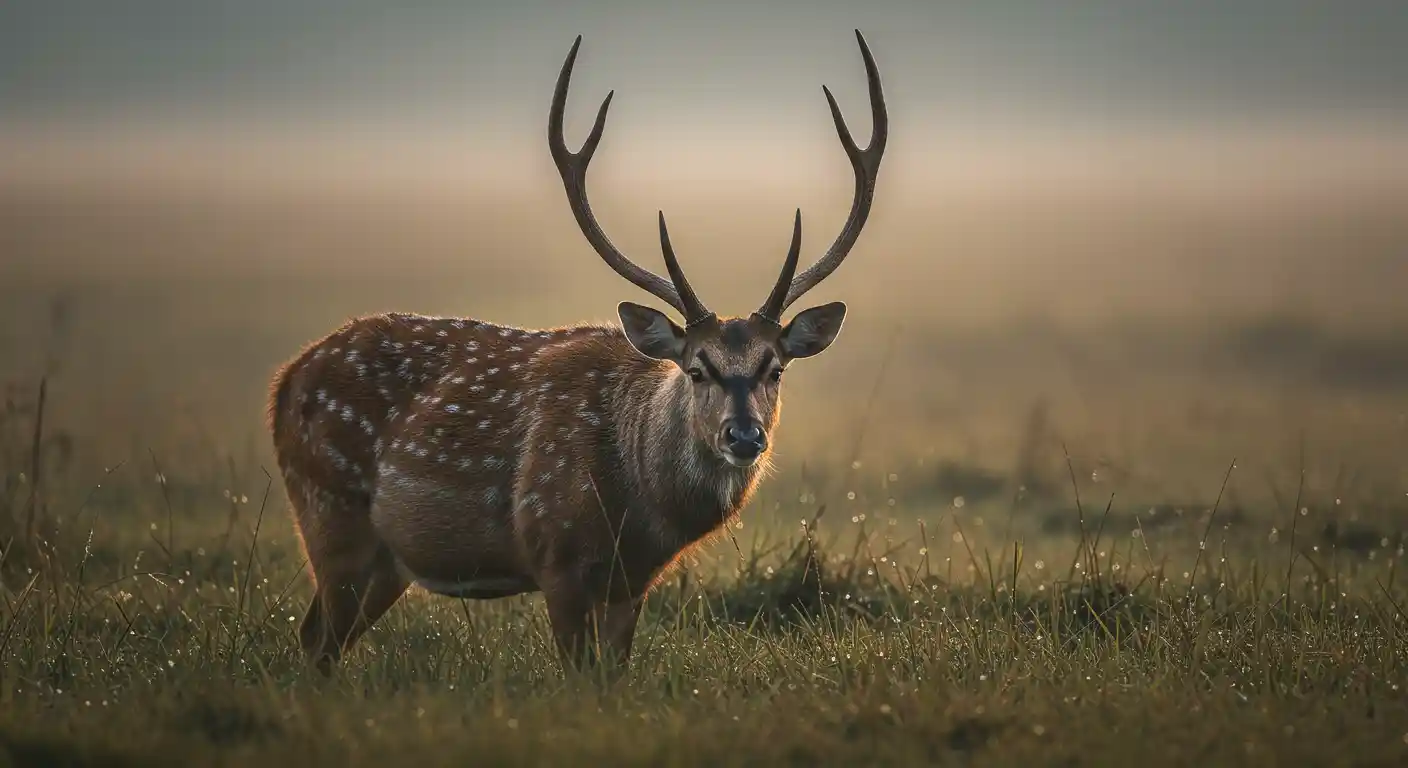
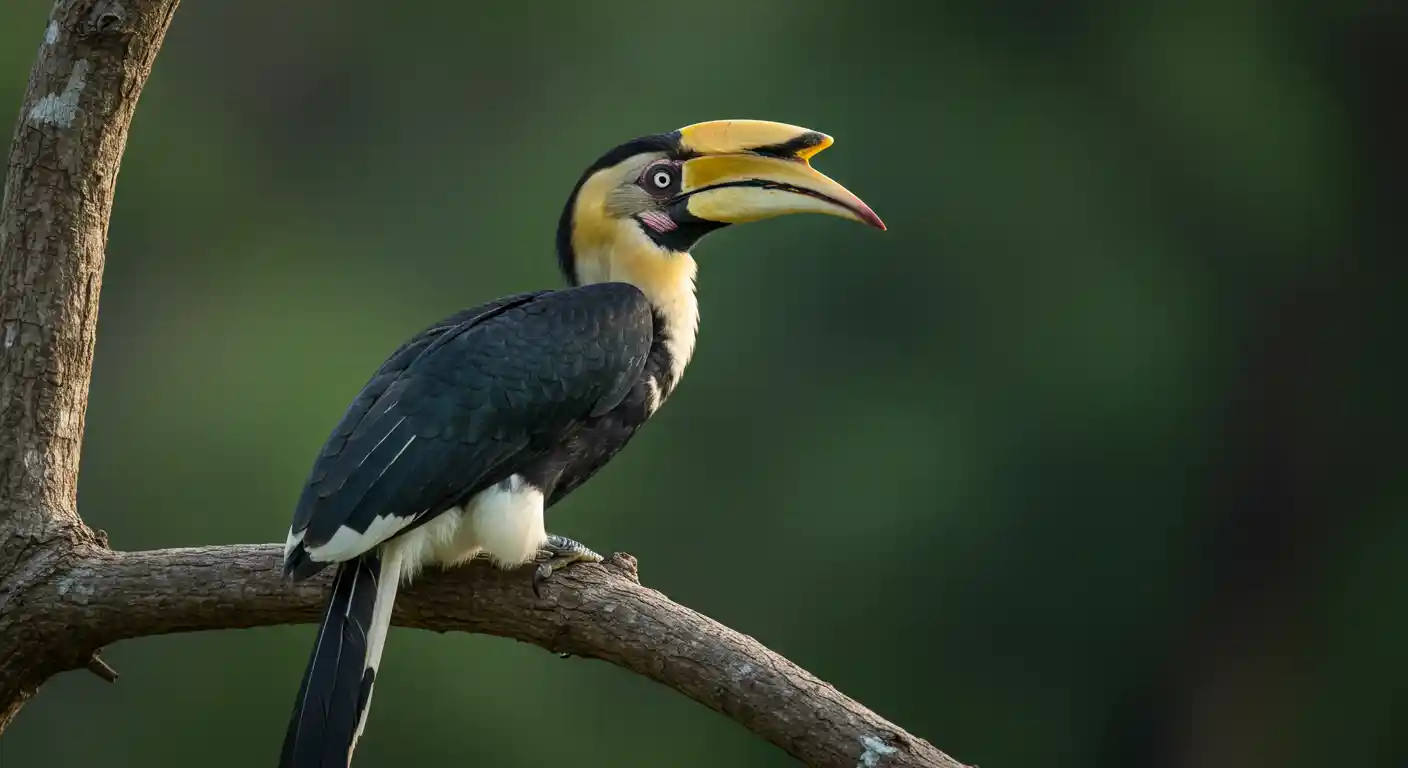
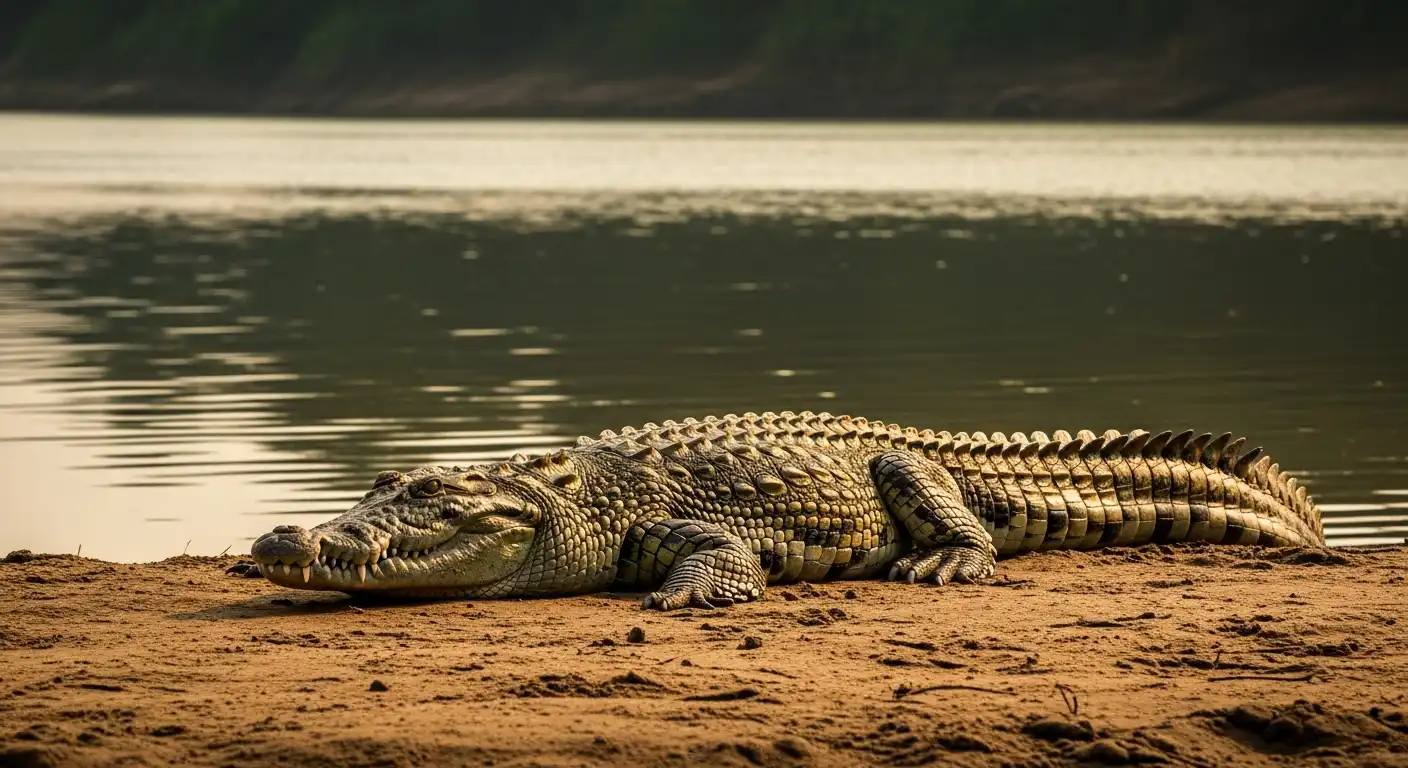
Wildlife of Dudhwa – Tigers, Rhinos, Barasingha & 450+ Bird Species
The forests and wetlands of Dudhwa National Park represent one of India’s richest biodiversity zones within the Terai ecosystem.
Officially recognized under India’s Project Tiger and the National Tiger Conservation Authority (NTCA), Dudhwa National Park forms the biological heart of the Terai Arc Landscape — connecting with Nepal’s Shuklaphanta and Bardia reserves through natural wildlife corridors.
From the elusive Royal Bengal Tiger and Indian one-horned Rhinoceros to the graceful Barasingha (swamp deer) and 450+ species of birds, Dudhwa offers a rare chance to witness wildlife thriving in its natural habitat.
The park supports one of the last surviving populations of Barasingha (swamp deer) in India, along with critically endangered Bengal Florican and reintroduced Indian Rhinoceros populations.
Every safari unfolds a new chapter of nature—filled with sightings of mammals, reptiles, butterflies, and wetland species found nowhere else in Uttar Pradesh
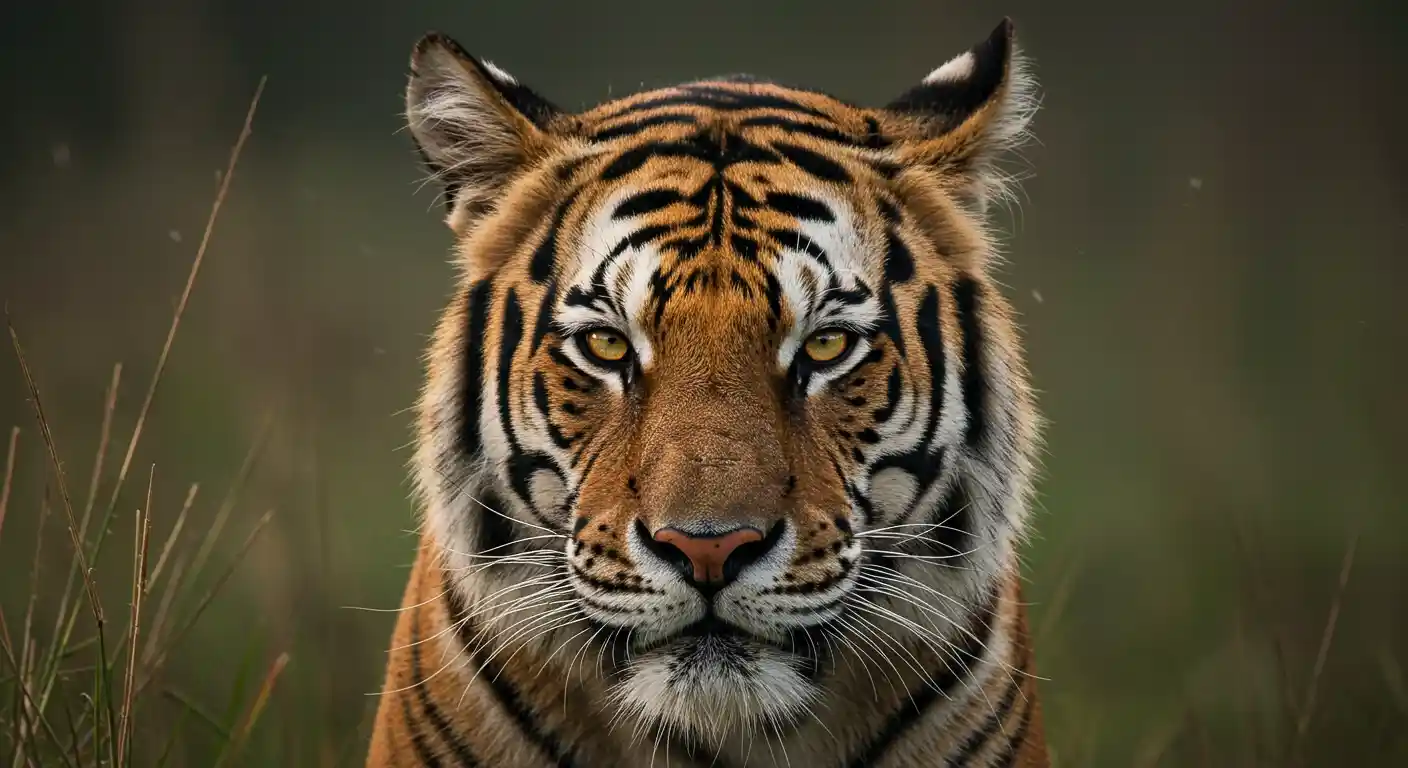

Dudhwa Conservation Success – Wildlife Numbers & Protected Area
Dudhwa’s conservation model is recognized nationally for reversing species decline and restoring ecological balance across the Terai.
450+ Bird Species – Including globally threatened Bengal Florican and migratory wetland birds.
47+ Mammal Species – Tigers, elephants, rhinos, leopards, deer, and otters thrive here.
884 km² Protected Area – Combined core + buffer zones forming the Dudhwa Tiger Reserve, including Kishanpur and Katarniaghat Sanctuaries.
This success is driven by joint efforts of the Uttar Pradesh Forest Department, WWF India, and the National Tiger Conservation Authority (NTCA).
These interlinked forest zones and wetlands make Dudhwa a vital stronghold for large mammals, migratory birds, and riverine species — a living laboratory for wildlife conservation in northern India.
Dudhwa in Pictures – Tigers, Rhinos & Wetlands
Discover the beauty of Dudhwa National Park through images of its wildlife, forests, and wetlands. From Royal Bengal Tigers and Indian Rhinos to Barasingha, elephants, and migratory birds, every picture reflects the incredible diversity of this Terai ecosystem.
Frequently Asked Questions about Dudhwa
Dudhwa National Park is situated in the Lakhimpur Kheri district of Uttar Pradesh, near the Indo-Nepal border in India’s Terai region.
It is famous for Royal Bengal Tigers, Indian One-Horned Rhinoceros, Barasingha (swamp deer), dense sal forests, wetlands, and over 450 bird species.
The core area of Dudhwa National Park spans 490 km², while the larger Dudhwa Tiger Reserve covers 1,284 km², including Kishanpur and Katarniaghat Wildlife Sanctuaries.
The park remains open from November to June. Winters are perfect for birdwatching and photography, while April–June offers higher chances to spot tigers and rhinos.
By Air: Nearest airport is Lucknow (238 km).
By Rail: Dudhwa or Palia railway stations (10–15 km from the park).
By Road: Well connected via Lucknow, Delhi, Bareilly, and Nainital highways.
Safari permits can be booked online through the official forest department portal or authorized tour operators like DudhwaNationalPark.net. Limited seats are available per zone, so early booking is advised.
For Indians: around ₹6,500 per jeep (6 persons + 1 guide).
For Foreigners: around ₹28,300 per jeep.
Camera fees and taxes are extra, as per Forest Department rules.
Morning Safari: 6:00 AM – 9:00 AM
Evening Safari: 3:00 PM – 6:00 PM
These timings may vary slightly depending on sunrise and sunset during the season.
Major sightings include Royal Bengal Tigers, Indian Rhinos, Swamp Deer (Barasingha), Elephants, Gharials, Sloth Bears, and 450+ bird species, including the rare Bengal Florican.
No, private vehicles are not allowed. Visitors must use official forest department jeeps or authorized safari vehicles with a guide and driver provided by park authorities.
All visitors must have a pre-booked entry permit and a valid Government ID. Foreign nationals must carry a passport.
Accommodation options include Forest Rest Houses (FRHs) inside the reserve and eco-friendly resorts and lodges around Palia Kalan and Kishanpur Range. All stays follow UP Forest Department guidelines.
No. The park remains closed during the monsoon (July–October) and reopens in November.
We provide transparent pricing, verified itineraries, authorized guides, and local community-based eco-tourism support, strictly following UP Forest Department rules.